
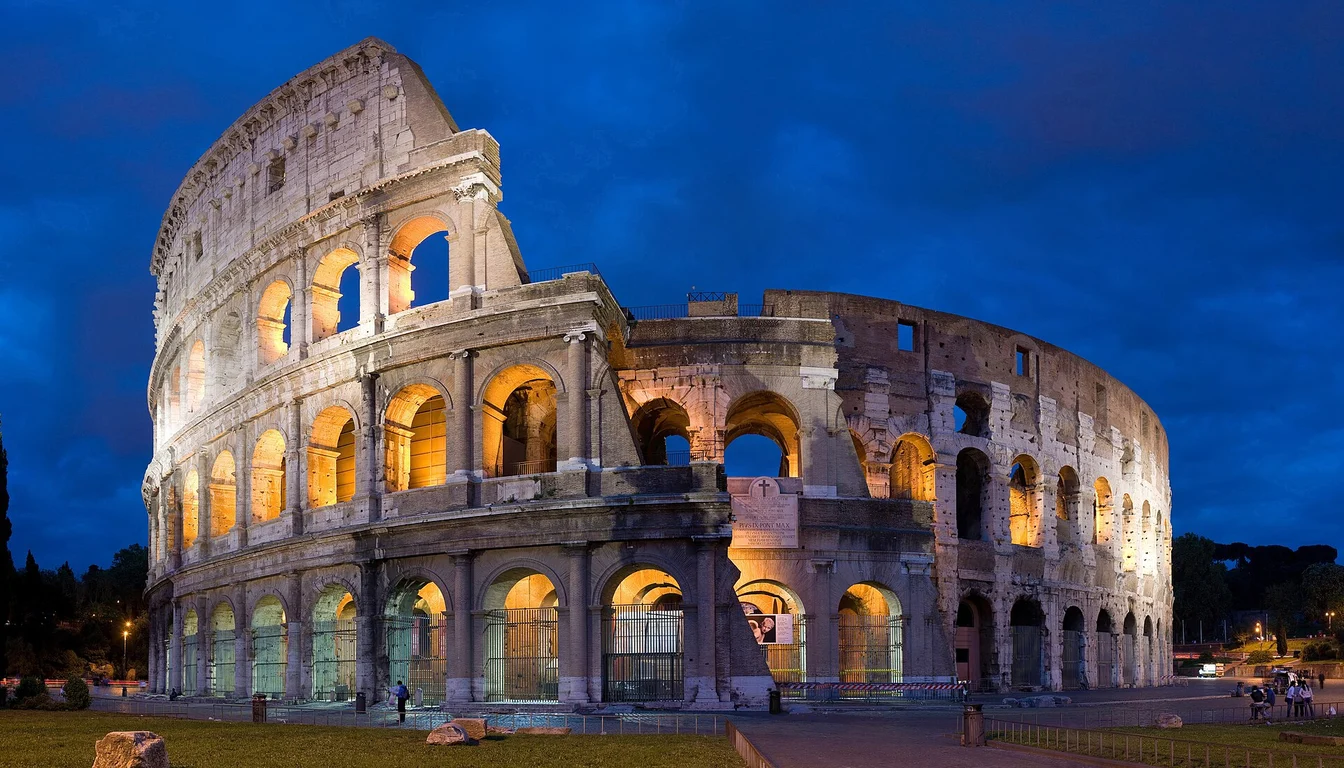
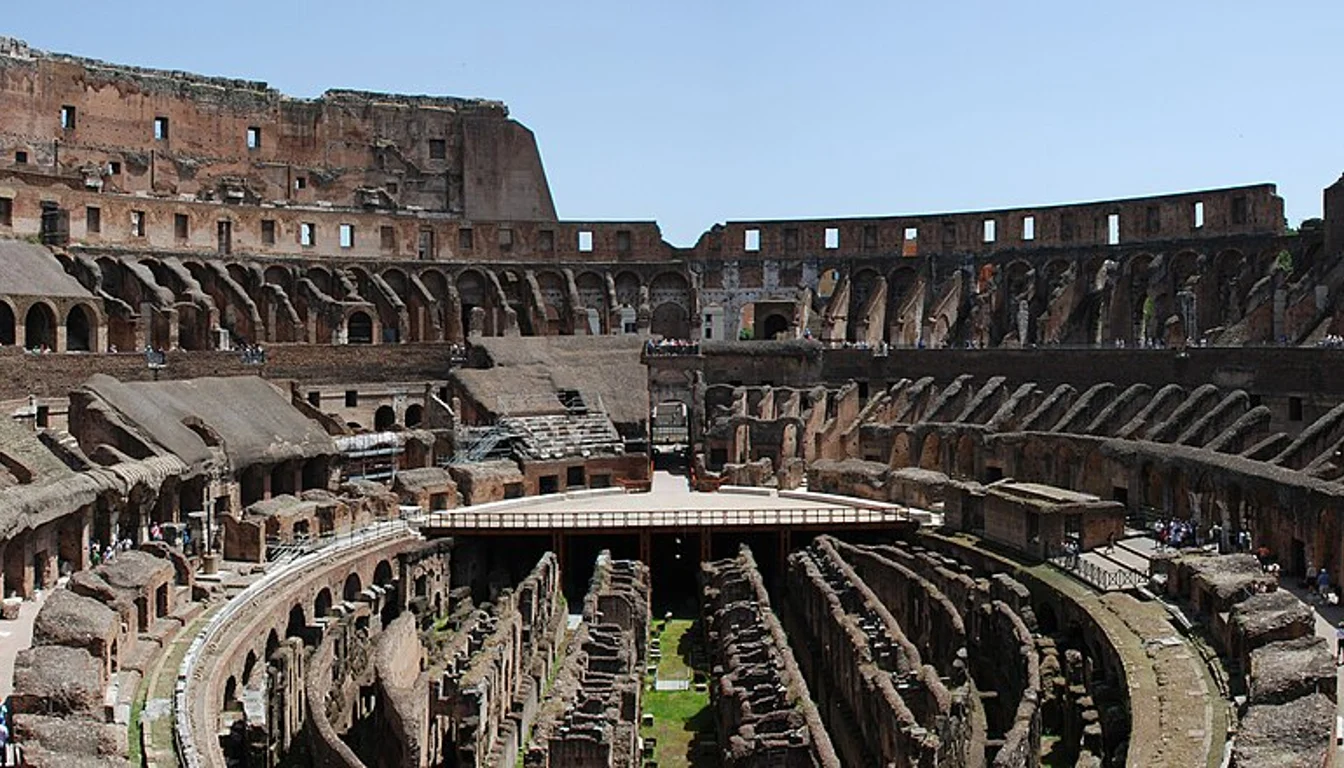
 Photo: Diliff / CC BY-SA 2.5
Ancient Rome, with the right ticket
Choose the spaces you want to see before you choose a tour. Entry types, release times and practical limits explained.
- Separate access options
- A clear plan for entry
An independent city guide
A great Roman day needs a little room to breathe. Choose one remarkable sight, a neighborhood worth walking, and time to enjoy both.
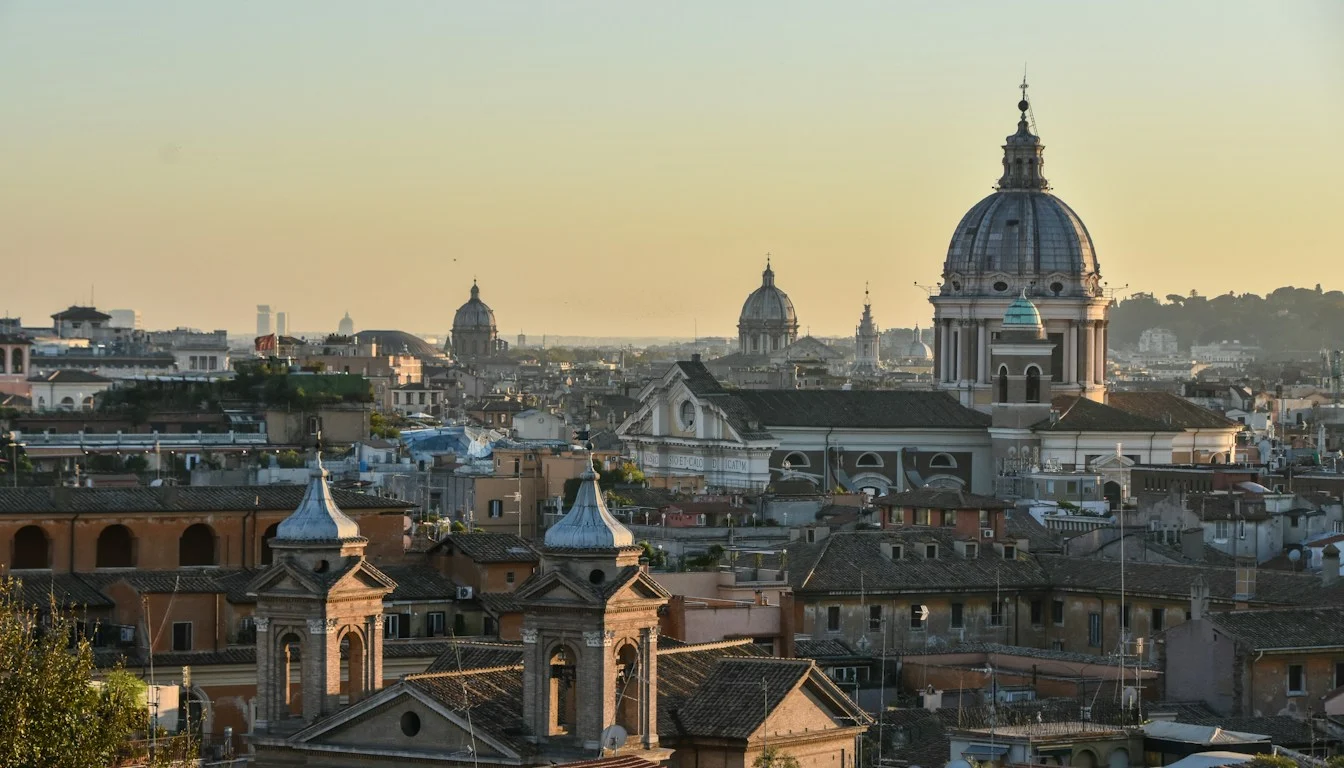
Start here
Ancient stone, small lanes or a change of scenery. Pick a direction before you fill the day.
Photo: Diliff / CC BY-SA 2.5Choose the spaces you want to see before you choose a tour. Entry types, release times and practical limits explained.
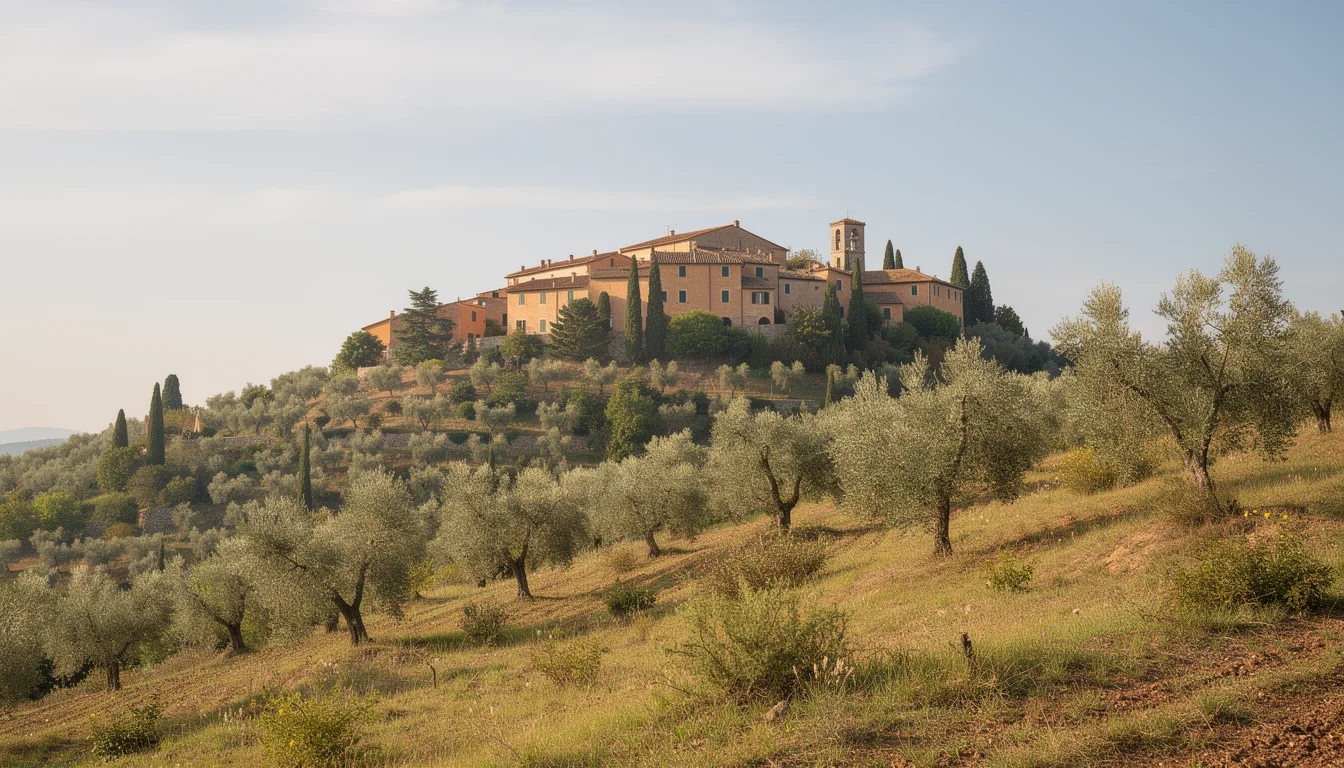 Photo: Burkhard Mücke / CC BY-SA 4.0
Gardens, ruins or another city. Weigh the journey against the time you will actually have there.
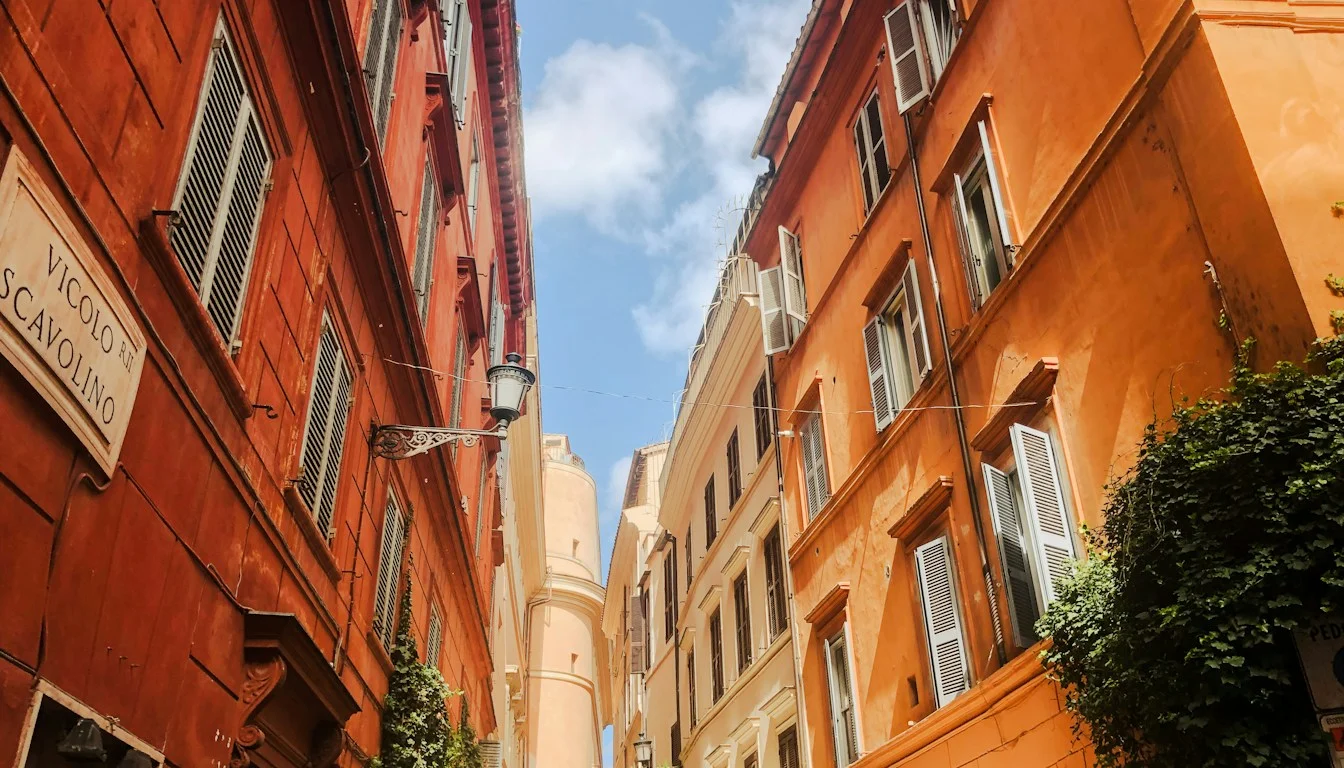 Photo: Damien Kopp / Unsplash License
Broad avenues, daily-life squares and old lanes. Match an area to the kind of walk you enjoy.
 Photo: Marialaura Gionfriddo / Unsplash License
Make a small route, leave room for a meal and know how to get back. Start with the riverside lanes.
 Photo: Alvesgaspar / CC BY-SA 4.0
Separate ordinary entry, the dome and the restricted archaeology below.
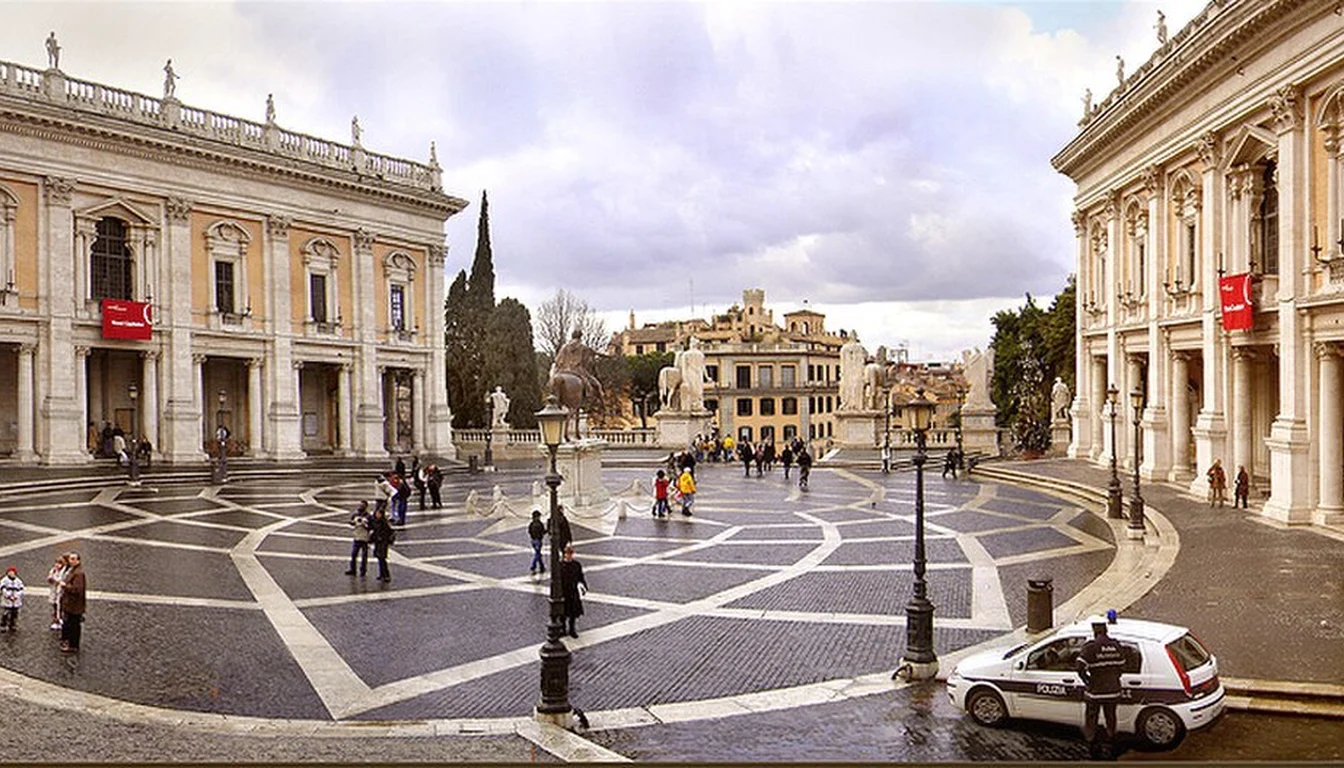 Photo: Ricardo André Frantz / CC BY-SA 3.0
Ancient portraits, palace sculpture or a booked gallery. Choose the work before the ticket.
 Photo: NikonZ7II / CC BY-SA 4.0
Art, worship and different sides of Rome. Keep the route compact and the access checks specific.
Pick a view, a garden or a longer walk, with the right gate and an easy finish.
Make it a memorable day
A riverside walk, a garden excursion or a look beneath ancient Rome. Each guide names the practical catch.
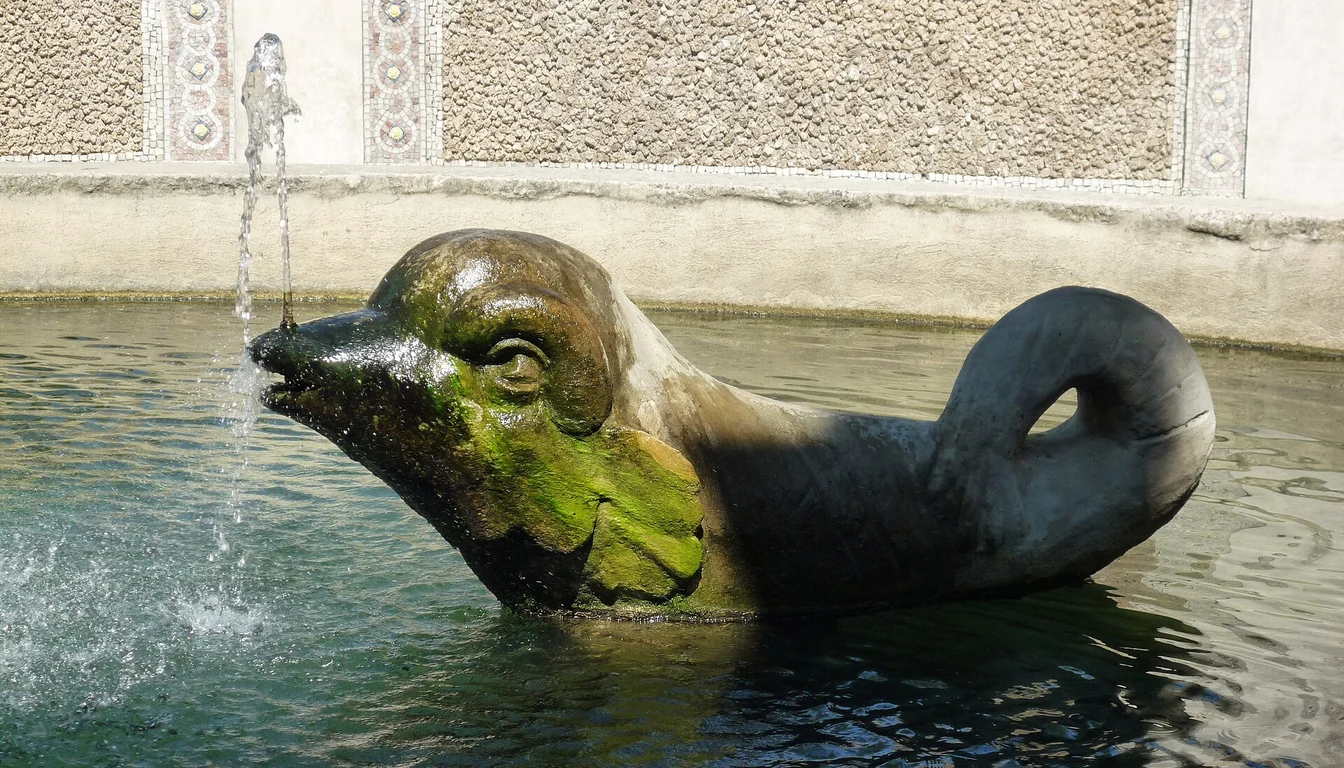 Photo: Fczarnowski / CC BY-SA 4.0
Plan a Villa d'Este visit in Tivoli with Rome transport, fountain checks, sloping garden routes and a choice between one villa and a two-villa day.
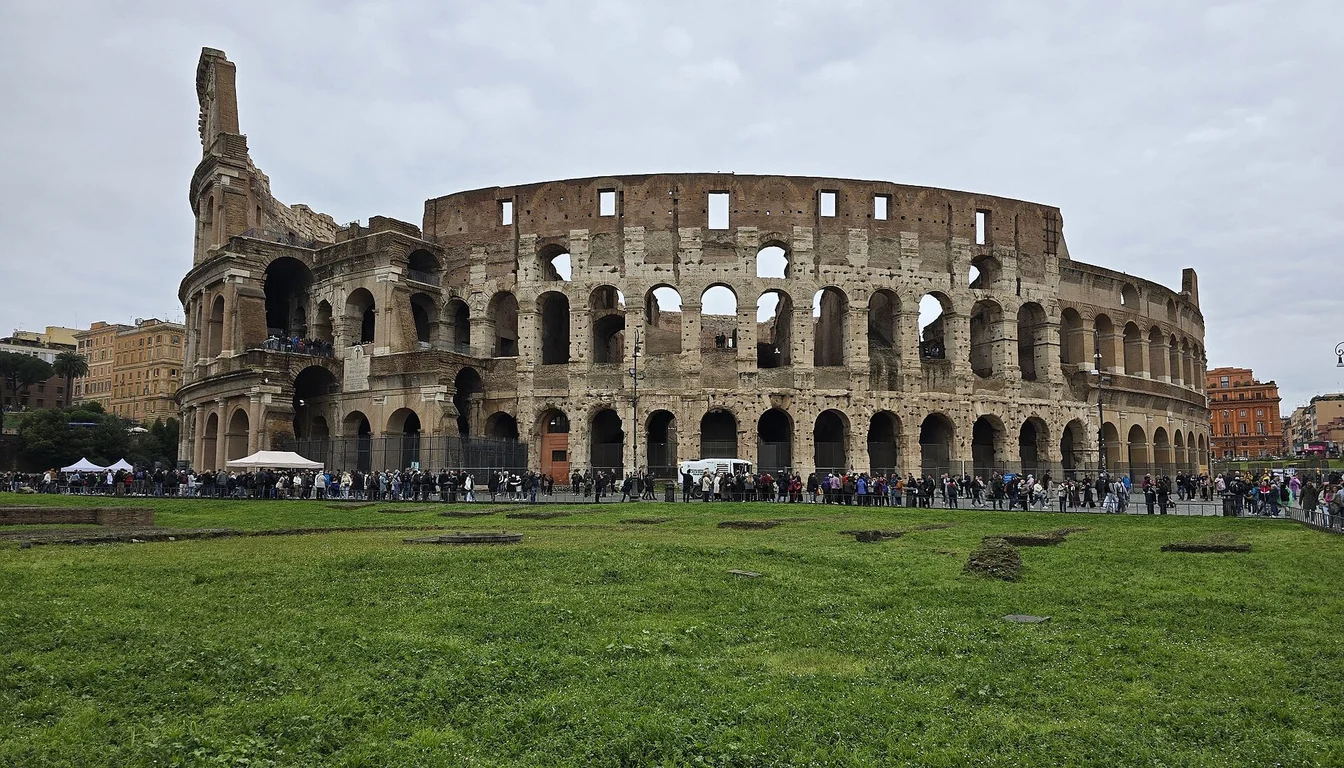 Photo: daryl_mitchell / CC BY-SA 2.0
Choose a Colosseum underground tour by named access, guide format and pace. Check arena inclusion, timed entry, weather limits and the Forum validity before booking.
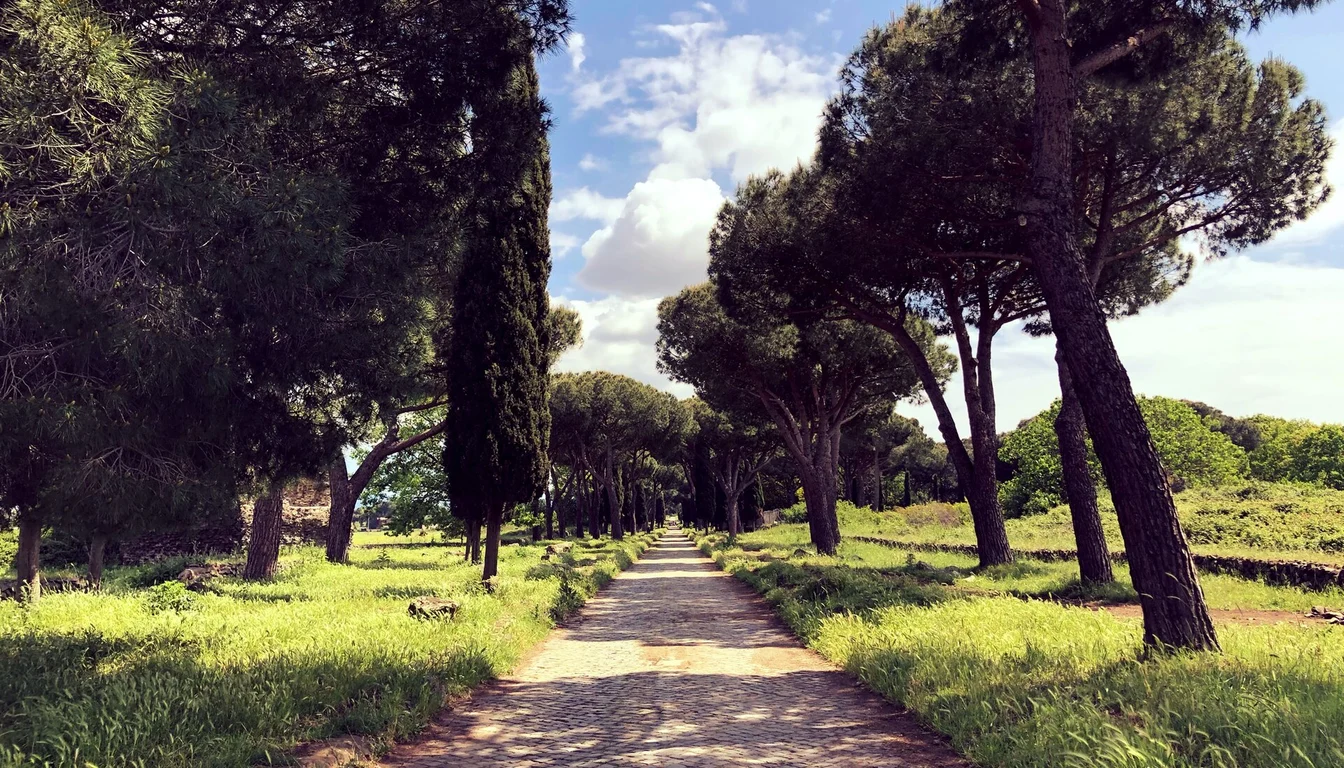 Photo: Flavia Verona / CC BY-SA 4.0
Walk the ancient Appian Way with a clear route, realistic return plan and options for tombs and catacombs.
The practical guide
These choices matter more than the length of your sightseeing list.
Our verdict: Consider the private package when your own group wants commentary and arena access together.
Keep in mind: Select the PRIVATE package. Other options on this page are shared tours, and the standard package excludes the arena. Underground and attic entry are not included.
Check prices and dates
Our verdict: Suits travelers who want both villas without arranging separate local buses.
Keep in mind: Choose Tivoli English Tour for English guiding. Lunch has separate with-lunch packages. Hotel pickup and drop-off are excluded; confirm both admissions for your selected option.
Check prices and datesThe best things to do in Rome depend on the day you have, not the number of pins on your map. A ticketed ancient site needs a time slot. A neighborhood walk needs room for detours. A trip beyond the city needs a return plan. Start with one main choice, then add nearby stops that make sense.
For a first visit, build each day around one booked sight or one walkable area. Use the Colosseum ticket guide to choose access, Trastevere for a lane-by-lane walk, and the neighborhood guide to compare different parts of Rome. Save a day trip for a longer stay. Choose the place first, check its current entry and transport rules, then book only what you need.
Ancient Rome: Choose the Colosseum ticket guide if seeing the amphitheatre is the point of your day. Ticket names matter. Standard entry, arena access, the underground and the attic do not all cover the same spaces. Read the actual inclusions before paying for a package. A tour with a guide adds an explanation; it does not change an entry rule by itself.
A neighborhood walk: Start with Trastevere for lanes, squares and a slow meal. Choose Rome's neighborhoods to compare the setting before picking a route. These guides help you decide where to spend part of a day. You do not need to turn every walk into a hotel search or commit to a whole district for your stay.
A day outside Rome: Use the day-trip chooser when the city already has space in your plan. A nearby archaeological site and a distant coastal excursion are very different days. Compare the time you will have at the destination with the time on trains or roads. A place that is possible to reach may still be a poor fit for a short visit.
The useful question is which part you want to see. The inside guide explains the spaces you can expect from different access types. The arena floor guide helps if the view from the central floor matters most. The underground guide covers a separate access choice, with tighter rules than a casual walk around the public streets outside.
Keep the Roman Forum and Palatine Hill in the same planning conversation. They can be part of the ticket's wider visit, but they need walking time of their own. Read the Forum and Palatine guide before treating them as a quick extra. The terrain, outdoor exposure and size of the area can matter more than the number of monuments listed on a product page.
If you want a guide, compare guided tour formats before you compare headlines. Check the language, group size, meeting plan and exact areas included. A private tour may suit a group with a clear pace or interest. It still needs the correct admission. Check the archaeological park's current ticket descriptions for the underlying entry rules; source checked on 14 October 2026.
A square is a good pause, not a task to finish. Start with the Spanish Steps if you want a short landmark stop with nearby lanes to explore. Use the steps as a place to pass through and look around; choose a proper resting place elsewhere. Crowds change the feel of the visit, so leave enough time to move slowly rather than promise yourself a perfect empty photograph.
In Piazza Navona, give the Fountain of the Four Rivers a few minutes from different sides. The setting is part of the point. You can keep this as a public-square stop instead of attaching a ticket or restaurant booking to it. The municipal Piazza Navona description identifies the square's three fountains and its long, curved shape. It is a useful source for the place, not a promise about today's crowd.
Do not put the Spanish Steps and Piazza Navona into a route simply because they are both famous. Look at the path between them, the other stops you care about and where you will rest. If a walk grows too long, drop a stop. You gain little by arriving tired at a place you meant to enjoy. The free activities guide gives you more ways to make a useful day without booking every hour.
Trastevere rewards a route with a beginning and an easy exit. Its streets can look close on a map yet draw you into small detours. Use the walking map guide to pick an order and a point where you can shorten the walk. The idea is to get your bearings, then make room for a pause. You can leave a side street unexplored without spoiling the day.
The Santa Maria in Trastevere guide is the right next step if the basilica is your main interest. Plan a church visit around its current access and worship needs. A public square and a church interior are different sorts of stop. Do not assume that a route's total walking time includes waiting or a service in progress.
For dinner, read how to choose a restaurant in Trastevere before letting a crowded doorway make the decision. It explains meal styles and practical checks without making up reviews or promoting named venues. For a later evening, the nightlife guide adds the return journey. The city's district description places Trastevere on the right bank of the river and describes its squares and evening scene; checked on 14 October 2026.
Choose an area by what you want to do there. Prati is a different street setting from Trastevere, with broader roads and a more regular layout. Testaccio suits a day that takes food, daily life and local history seriously. The Jewish Ghetto guide asks for care with living heritage, rather than treating the area as a theme for a quick photo stop.
For a change from the old centre, consider EUR. Its planned layout and modern buildings make a distinct outing. Read the separate Square Colosseum guide to understand that building's setting and access limits. The name does not mean it is another version of an ancient amphitheatre tour. Exterior viewing and entry are different decisions.
You do not need to see every district. Pick one that gives your day a different pace or a subject you care about. If you have only a short afternoon, a useful local walk beats crossing the city to tick a label. The neighborhood comparison helps you match your choice to the time and effort you want to spend. Keep hotel-booking decisions separate from this sightseeing choice.
Castel Sant'Angelo can be a ticketed visit or a landmark around which you plan a riverside walk. Decide which you mean before you set out. A view of the exterior does not need the same time or preparation as the full visit. Read the guide's entry and route checks if the interior is the reason you are going.
The Capitoline Hill guide helps you distinguish the outdoor square and viewpoints from the museums. That distinction is useful when your time is short. You can choose a focused outdoor stop rather than claim you have completed a large museum visit. If you want a collection, give it its own part of the day and check the current admission rules.
On the Aventine, the keyhole guide explains a small stop that can involve waiting. Do not build a whole afternoon around one narrow view. Pair it with a walk you would enjoy even if the queue were too long. Read unusual things to do for ways to choose a less obvious thread through Rome without promising secret access or an empty city.
The Appian Way guide is a good place to start if you want more open space and old paving. This is not the same as a short pavement walk between central squares. Footing, weather and the length of the chosen stretch affect the visit. Decide where you will begin and turn back before adding distant sites to the route.
If an underground visit is the point, use the catacombs comparison to understand the choices and access conditions. Do not assume you can enter at will or walk through without a guide. Individual sites have their own schedules. The page links to the relevant primary sources so you can check the visit you are actually choosing.
Keep an outdoor walk and a timed underground visit as two pieces of the plan. Travel to the area, a rest and the route back all use time. This outing may be a better use of a fresh morning than a tired late afternoon. If you prefer an easy central day, keep the Appian Way for another visit; a distinctive place is still a poor choice if its demands do not fit your day.
Tivoli is the town near Rome. The practical choice is what you want to do there. Villa d'Este is a garden and fountain visit with its own slopes and opening checks. Villa Adriana is a large archaeological area with a different layout. Seeing both means you must plan the transfer between them as well as entry.
Use the Rome-to-Tivoli route guide if you want to arrange the journey yourself. The destination is more precise than the town's name: arriving in Tivoli does not mean you have reached both villa entrances. Compare the arrival point with your first stop before choosing a departure. Keep the last part of the journey in your time budget.
A Tivoli tour can simplify the transfers, but read the full inclusions. Some excursions focus on one villa; others combine the two. A tour title alone does not establish which admissions, meal stops or walking demands are included. Choose the day you want, then compare products against it. Do not buy a longer package simply because it lists more stops.
Ostia Antica is worth considering when you want an ancient site outside the centre. The useful comparison is the travel effort and the kind of open-air visit you want. Do not confuse the ruins with a beach day. They can belong to the same region without being the same outing or arrival point.
For Pompeii, separate the long-distance journey from the transfer to the archaeological park. A ticket to a city is not a complete door-to-door plan for the ruins. Check your return options before choosing a timed visit. You should know what you will cut from the day if the journey runs late.
Florence can be a focused city visit, but it works best when you pick a small set of priorities. Venice and the Amalfi Coast are much more demanding day-trip ideas. Our guides explain the travel trade-offs. If a famous destination leaves little time beyond the arrival and return, an overnight stay or a closer outing may serve you better.
Before you pay, write down the part of the visit you care about. It might be the Colosseum arena, a guided explanation or transport to two Tivoli villas. Then check whether the offer names that part clearly. A long list of nearby landmarks can describe a route without granting entry to each of them.
Check the start time, meeting instructions, cancellation terms and what happens if a place closes. These are useful decision fields even when prices vary by date. A promise such as fast entry does not mean there is no security screening. Do not plan a tight connection around a marketing phrase. Keep the current source instructions alongside your booking confirmation.
Use our ticket release guide if you are arranging Colosseum entry yourself. Read opening hours for seasonal and last-entry checks. For a night visit, confirm a current dated event, not just the existence of a page from a previous season. We cannot establish seats for your date from a general guide.
If you have one full day, choose between a major booked sight and a mostly outdoor city walk. Trying to do both in full can leave every stop rushed. A ticketed morning plus one nearby walk is often a more useful shape than three fixed reservations across town. Leave a gap after the booking instead of turning the rest of the day into a chain of deadlines.
For two or three days, give each day a different centre of gravity. One can focus on ancient Rome, another on squares and neighborhood lanes, and a third on a place or subject you care about. Keep a day trip optional until you have seen how much walking and heat you want to manage.
For a longer stay, use a nearby outing to change the pace. That does not require a distant destination. The nearby towns guide is useful if you want a town day rather than another large archaeological site. Your travel style matters more than an arbitrary checklist of famous names.
Put rest stops into the plan before you need them. A sit-down meal, a shaded pause or a return to your base can be part of a good sightseeing day. They are easier to fit around one fixed booking than around several. Do not use a map's shortest walking route as a promise about your pace on old paving or crowded streets.
If step-free access matters, check the specific attraction and approach. The city has a verified accessibility directory with filters for entrances, wheelchair routes and other facilities; checked on 14 October 2026. A district described as easy to walk can still have kerbs, slopes or an entrance with steps. Read the actual service details for the site you intend to visit.
Choose an indoor alternative for a day when exposed walking would be a poor fit. In warm weather, avoid making an open archaeological area the automatic midday stop. In rain, shorten a route if the paving or visibility makes it unpleasant. The point is to leave yourself a useful choice, not to promise a particular forecast from a general city guide.
Choose a meal style before choosing a seat. A quick lunch and a long dinner use different parts of the day. Check the menu, any cover charge and what the price actually includes before ordering. If you have a timed tour later, leave time to pay and reach the meeting point. A meal should not force the next stop into a rush.
For an evening in Trastevere, decide whether you want a meal, a short drink or a late night. The same streets change as the evening goes on. Read the bar and nightlife guide for how to plan that choice. It does not invent reviews, opening hours or a current event list for named venues.
Know which part of the return you will walk and which needs transport. The Trastevere station guide helps avoid confusing the rail station with the centre of the old lanes. Do not assume your daytime route works unchanged late at night. Check current transport for the day and time you plan to leave.
Book the place with the entry type or time slot that matters most to you. For many visitors, that means choosing the correct Colosseum access before adding other stops. Keep the rest of the day flexible. Check the actual inclusion, meeting plan and cancellation terms before you pay.
Yes. Public squares, neighborhood walks and exterior views can fill a thoughtful day without a guided tour. Use our free activities and walking guides to choose nearby stops. A tour is useful when you want explanation, managed access or arranged transport. It should solve a need you already have.
A closer destination is generally easier to fit than a distant coastal or northern-city excursion, but the actual arrival point matters. Compare Ostia Antica and Tivoli with the kind of visit you want. Check both outward and return travel. Do not choose on the destination's name alone.
Choose by setting, time and the subject you enjoy. Trastevere's lanes, Prati's broader streets, Testaccio's food interests and EUR's planned architecture offer different visits. Read the neighborhood guide, then pick one manageable walk. You do not need to visit every area or rank them for a hotel booking.
The site uses licensed stock photographs and clearly labelled AI travel illustrations. Generated images show an illustrative scene and do not document a real interior or event. Use the factual guide and its linked primary sources for entry, access and the visit itself. Image licences are recorded separately.
Choose things to do in Rome by building a day you would enjoy even if one small stop fell through. Start with Colosseum access, a Trastevere walk or the neighborhood chooser. Add a day trip when your time allows it. Check the practical detail that could change your plan, and leave a little space for the city between the sights.
Walks and landmarks
Combine nearby stops and keep one easy way back. These twelve guides stay within Rome.
Photo: Flavia Verona / CC BY-SA 4.0Walk the ancient Appian Way with a clear route, realistic return plan and options for tombs and catacombs.
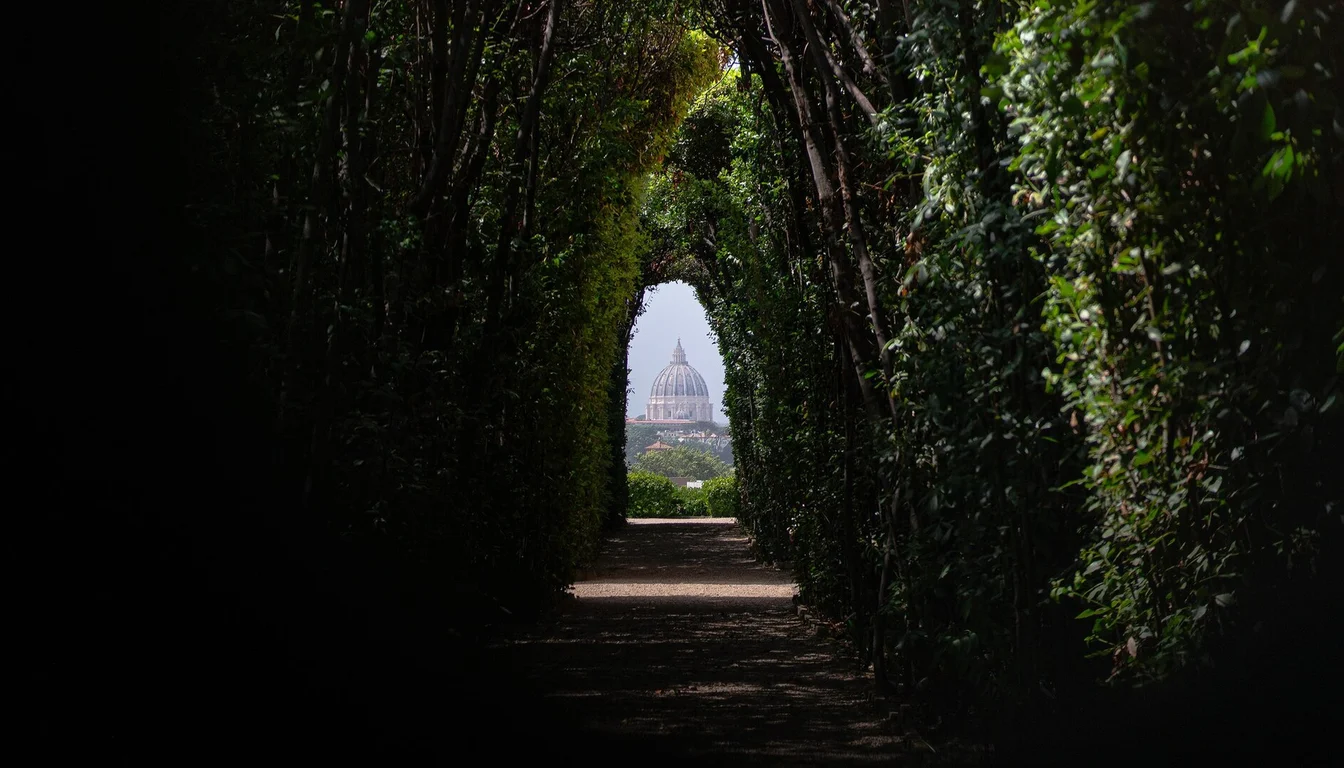 Photo: Espegro / CC BY-SA 4.0
Find the Aventine keyhole, understand the view and plan an unhurried walk with the Orange Garden.
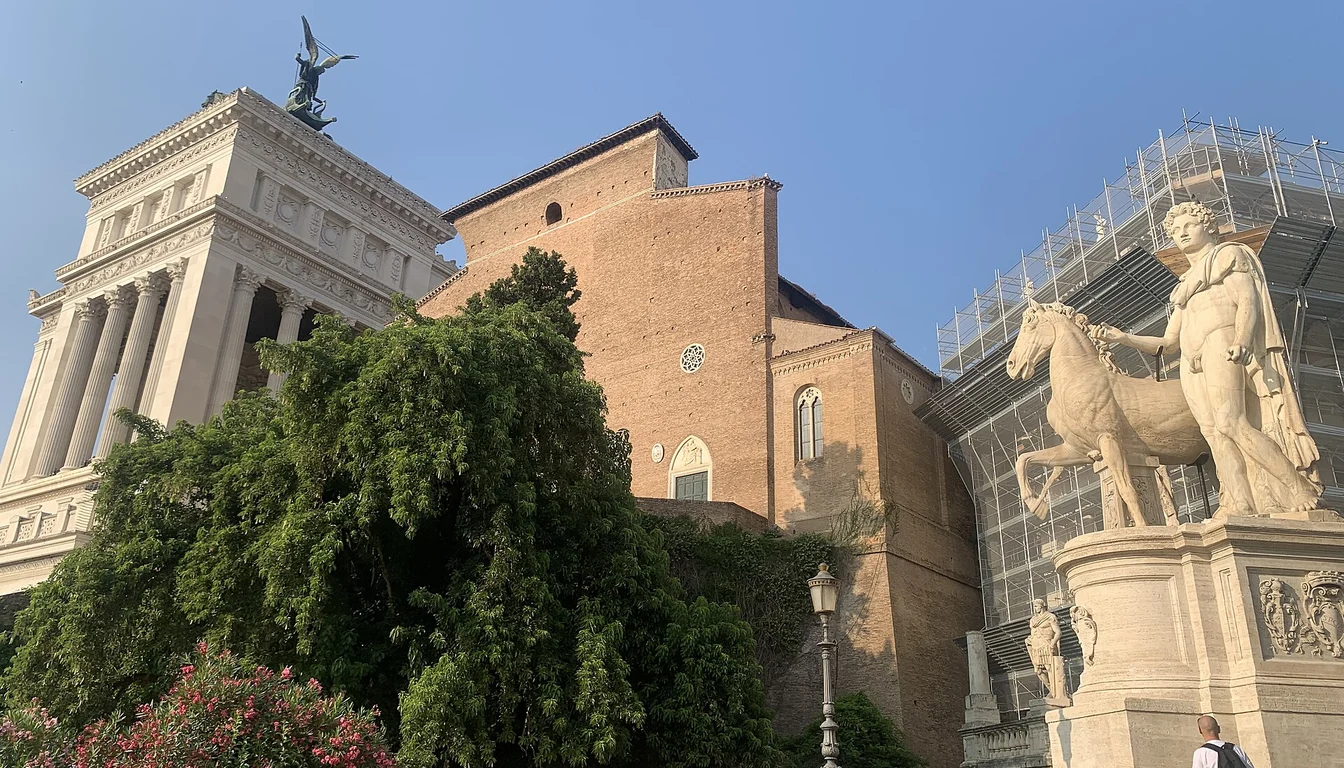 Photo: Álvaro de la Paz Franco / CC0
Separate the free Capitoline square from the museum visit and choose a route near the Roman Forum.
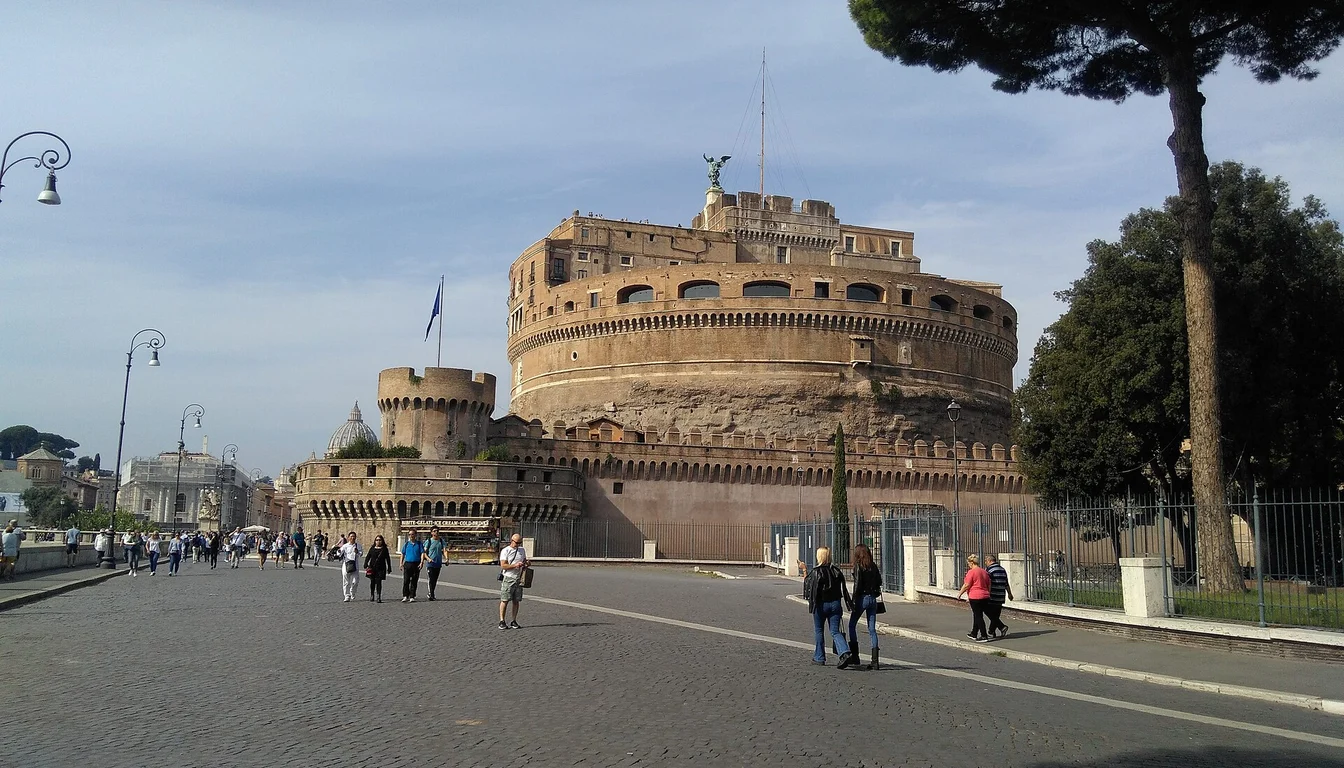 Photo: G41rn8 / CC BY-SA 4.0
Choose an exterior walk or a museum visit at Castel Sant’Angelo, with practical advice on stairs and river views.
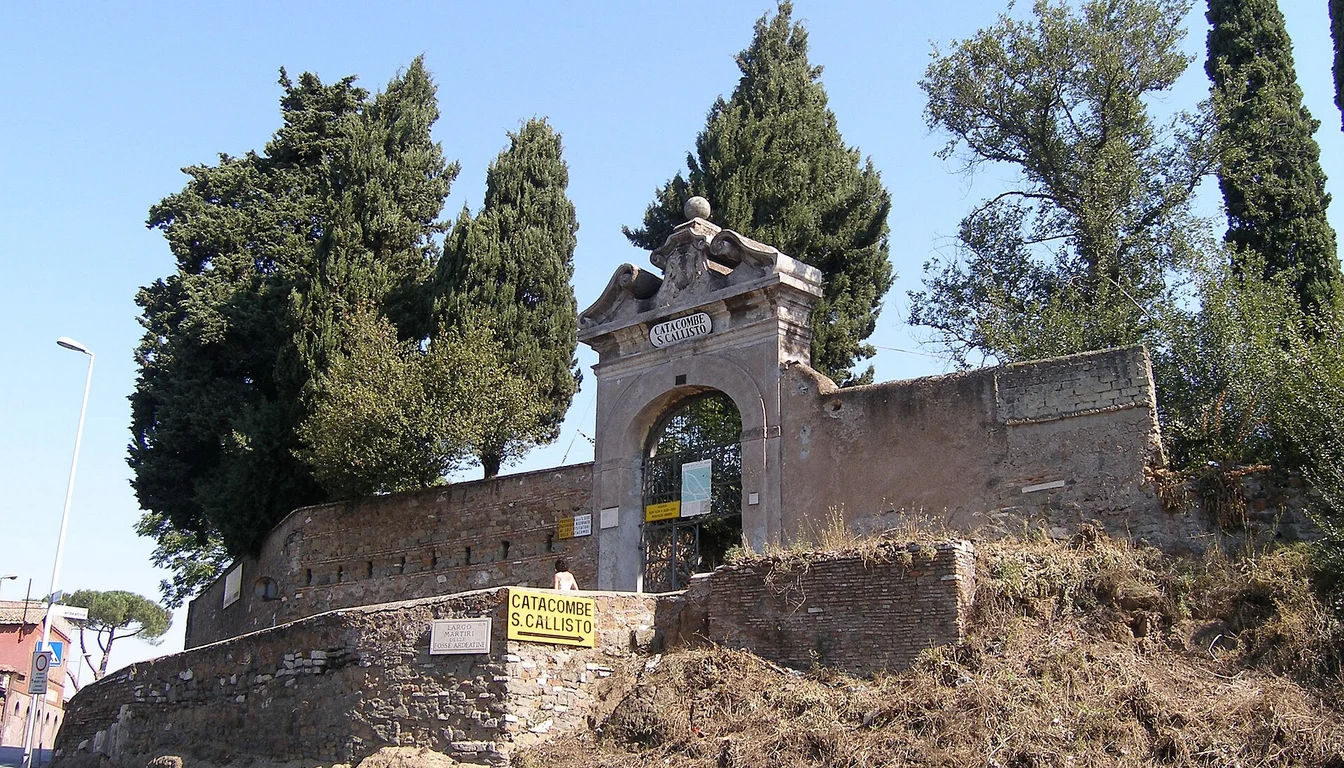 Photo: Dnalor 01 / CC BY-SA 3.0
Choose a Rome catacomb visit by location, guided access, steps and the rest of your day.
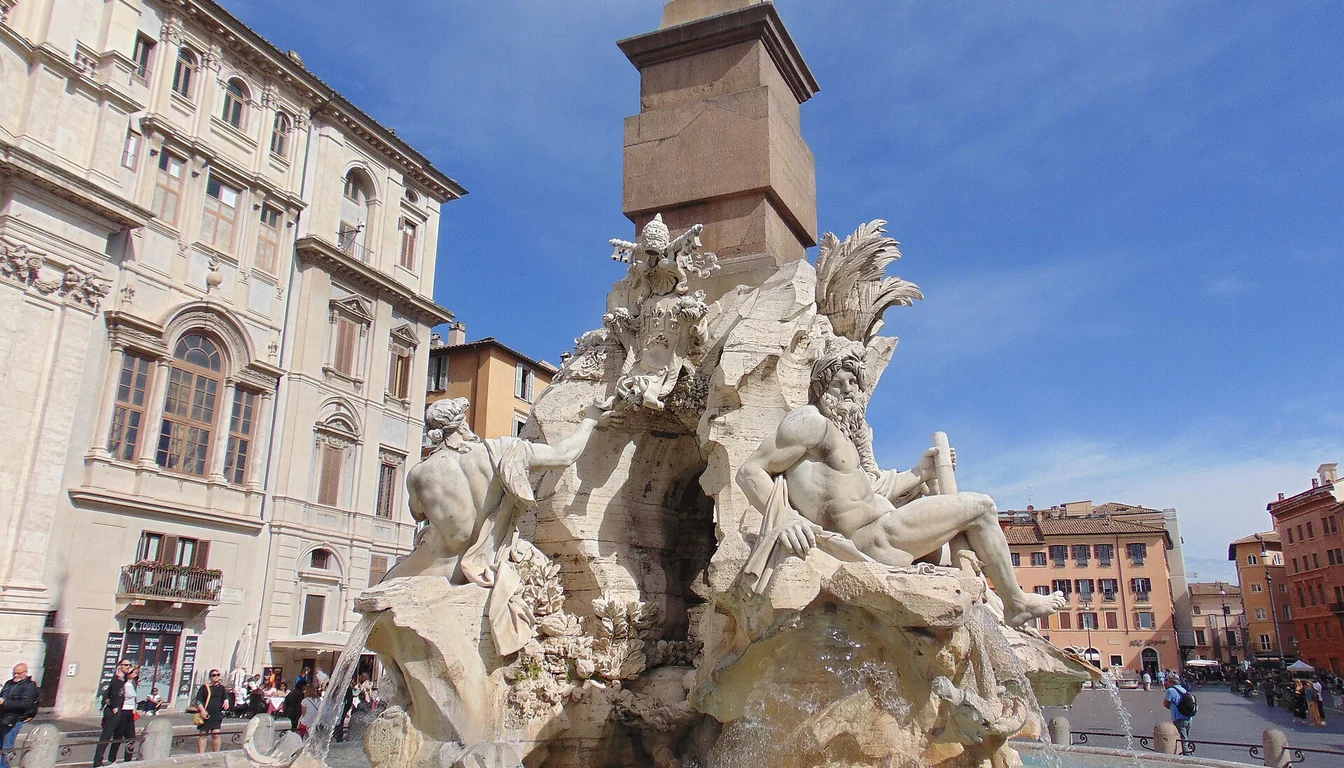 Photo: Nicholas Gemini / CC BY-SA 4.0
Read the fountain’s river figures and make Piazza Navona a useful stop on a central Rome walk.
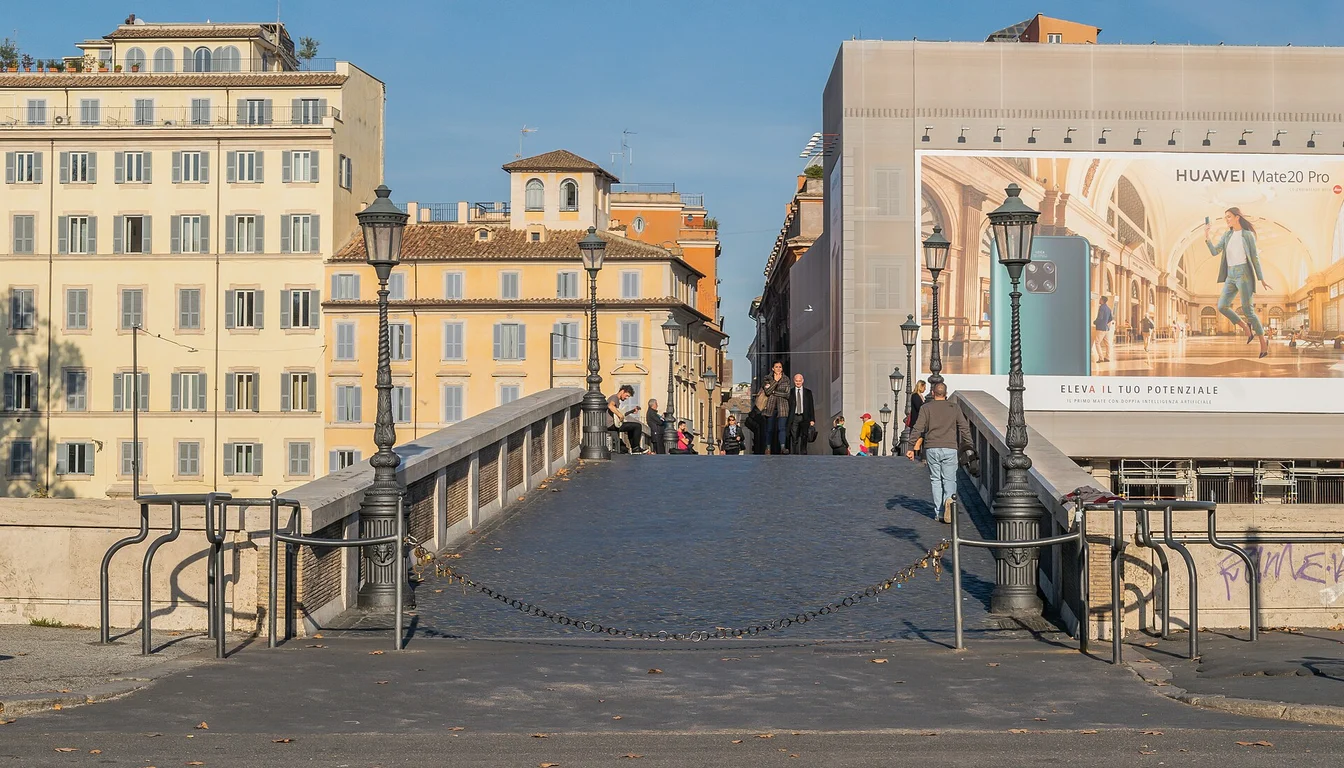 Photo: Krzysztof Golik / CC BY-SA 4.0
Build a free Rome day around squares, churches, parks and museums with current visitor eligibility checks.
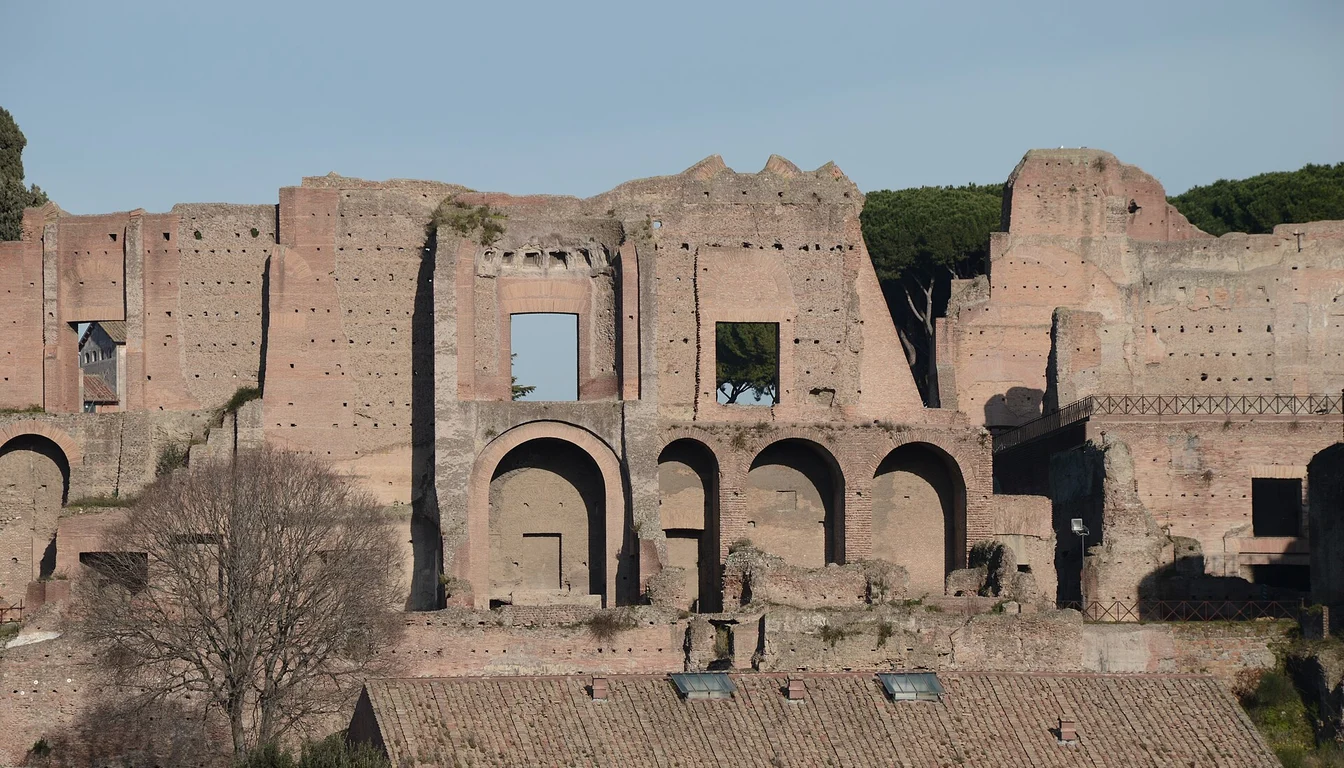 Photo: Livioandronico2013 / CC BY-SA 4.0
Understand the Palatine Hill and plan its ruins, views and combined Roman Forum visit.
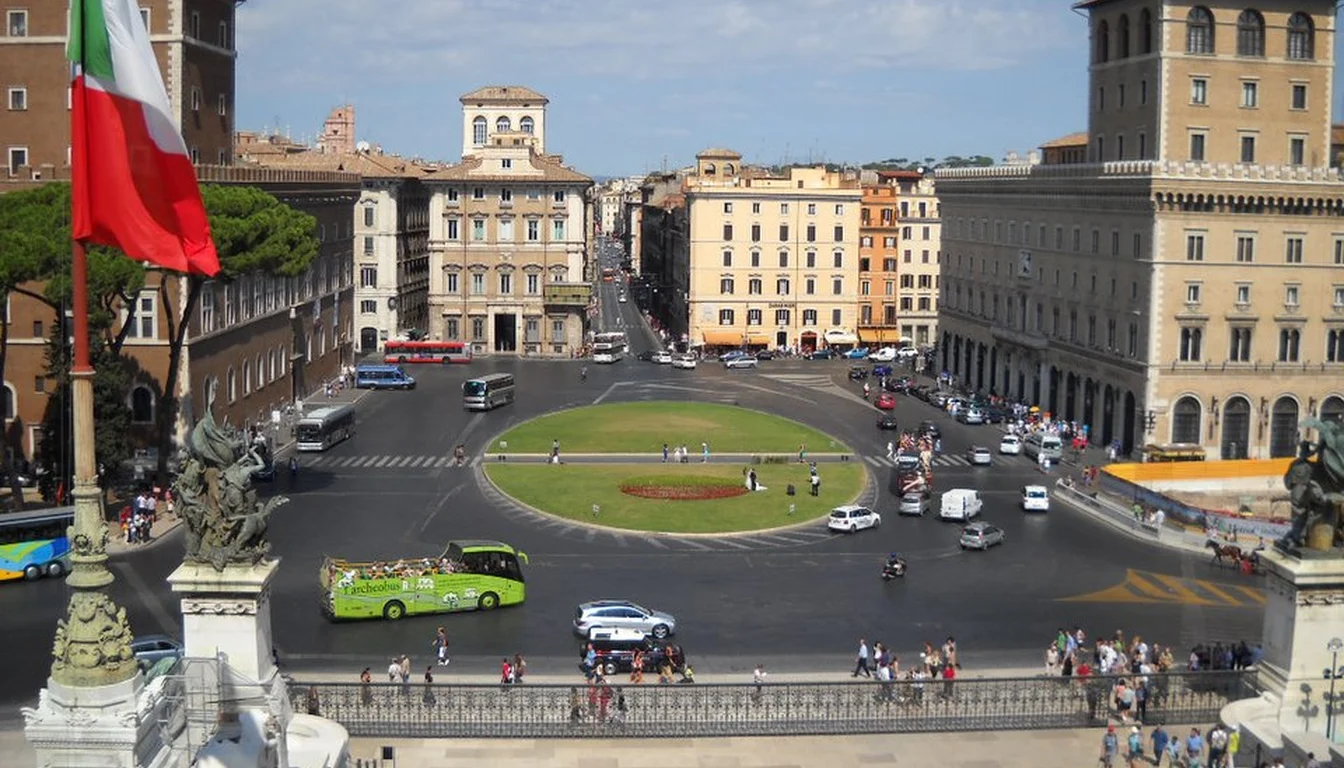 Photo: Gobbler / CC BY-SA 3.0
Navigate Piazza Venezia’s construction, choose a nearby museum and connect a walk through ancient Rome.
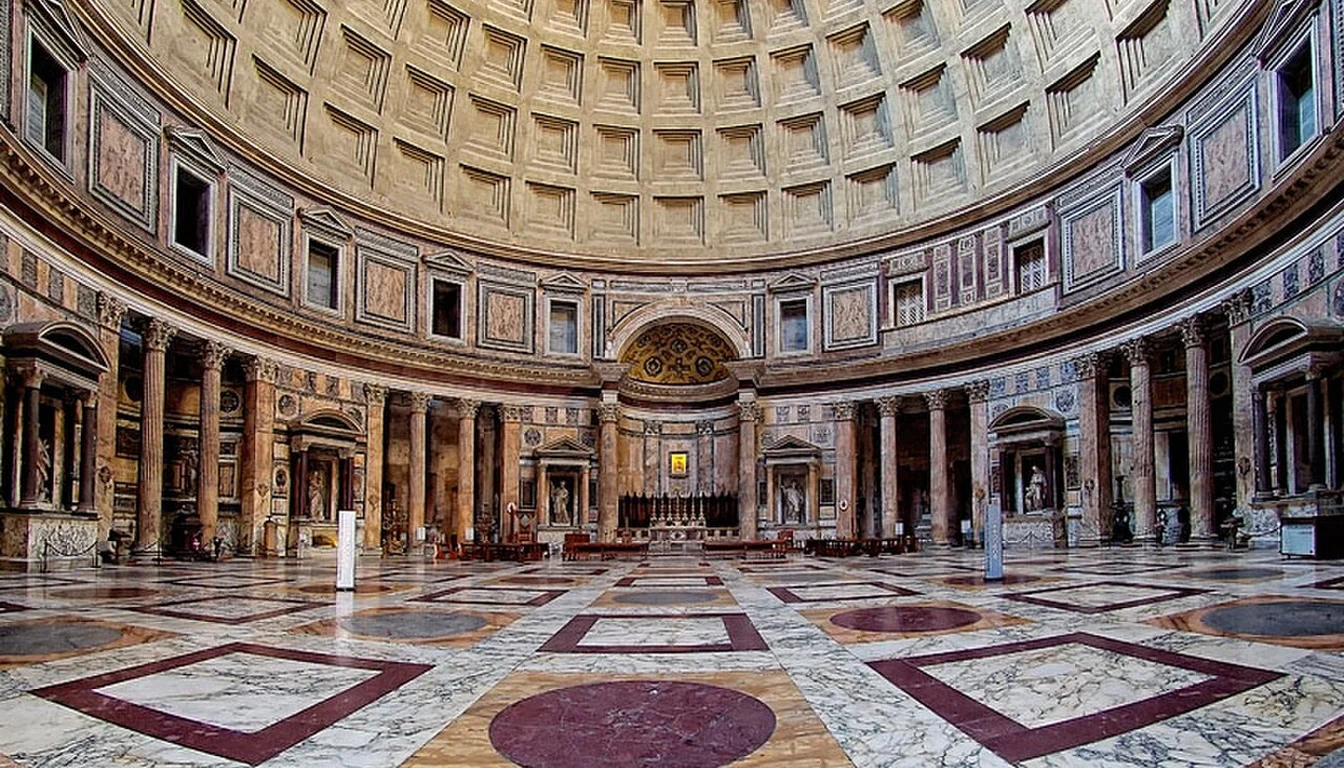 Photo: Macrons / CC BY-SA 4.0
Compare Rome's major landmarks by setting, ticket needs and travel effort, with compact routes and honest limits for a first visit.
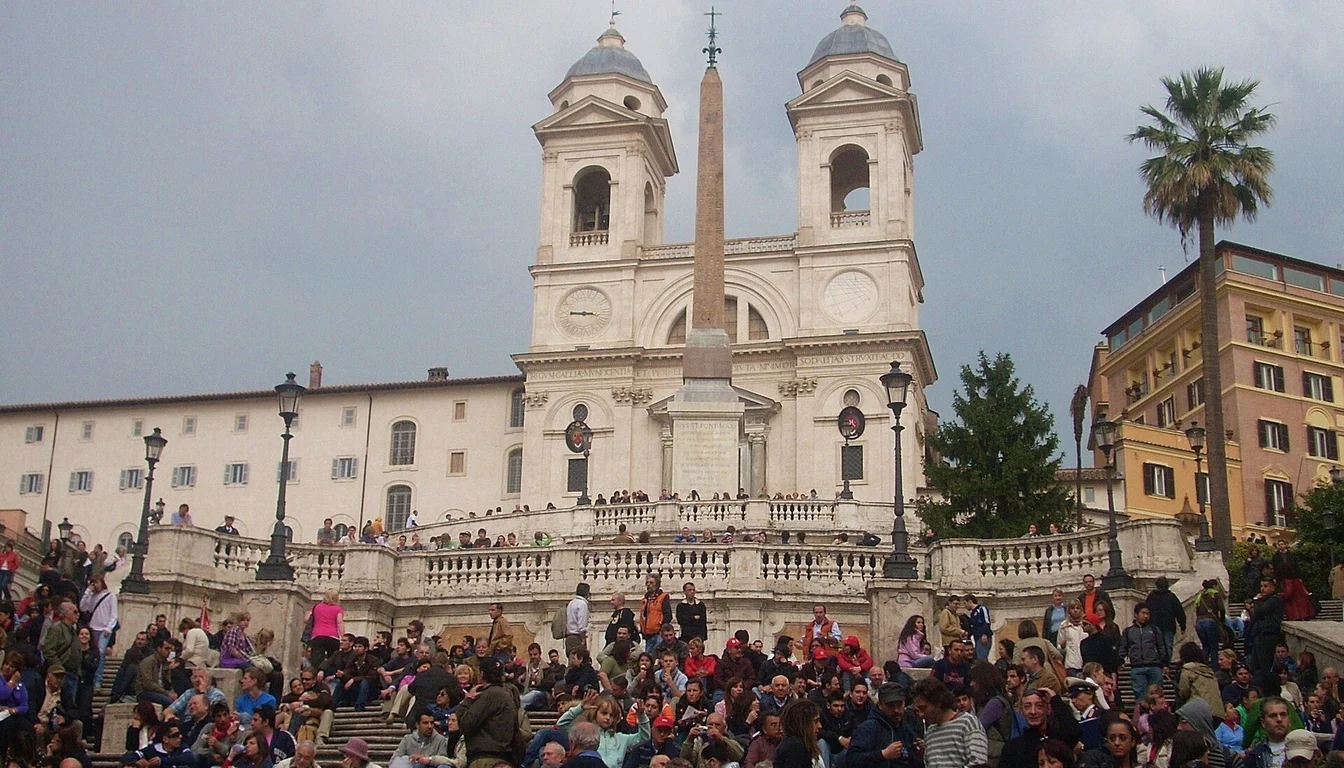 Photo: Tatiana kitty / Public domain
Visit the Spanish Steps with a route that works from the lower square to the upper terrace.
 Photo: Alexander Voronov / Unsplash License
Find a different Rome day through ancient roads, unusual views, modern districts and quieter neighborhood walks.


.jpg)


.jpg)


